The Making
How Maévie came to exist, what we learned along the way, and where we're going next.
Where It really Started
Maévie started with a gap in the market. A mum looking for shoes in extended sizing for her daughter, a girl wanting the shoes her friends were wearing, and both finding that they simply did not exist. Not in her size, not in her aesthetic, not for who she actually was. Now a teenage girl, she’s facing the same challenges.
Vanessa Boulanger-Twigg, the founder of Maévie, watched that happen with her own daughter. The options narrowed year by year. What was left was not designed for who she was or the stage of life she was in.
That is where Maévie started.
Learning the Craft
Our first instinct was to find what already existed and bring it together. But the harder we looked at the women's extended sizing market, the clearer the answer became; it wasn't there either.
So we decided to make them ourselves.
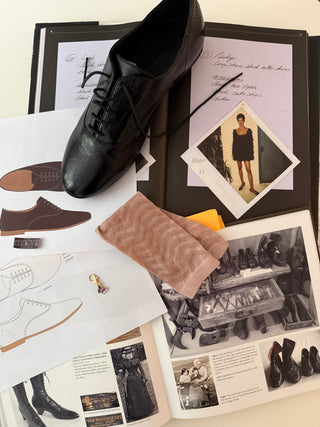
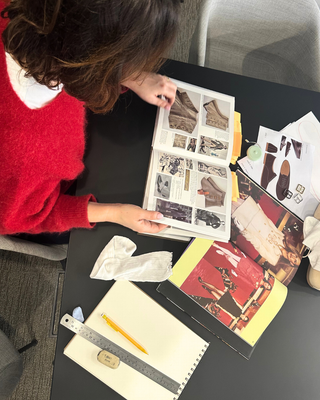
Vanessa came to footwear with no industry background and treated that as a reason to learn properly rather than a roadblock. The British Footwear Association, books, the history of design, conversations with podiatrists, designers and courses in the craft itself. The foundation came before the decisions.
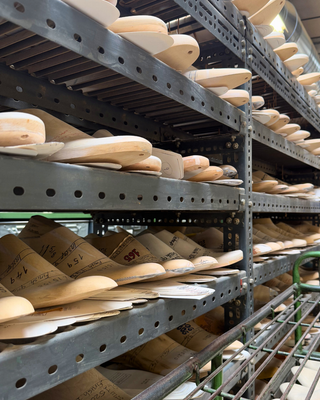
Where the shoes would be made mattered just as much. For us, Europe was the only real option. The craftsmanship, the material standards, and the proximity to our design process. We researched factories, visited suppliers and learned the industry properly before committing to anyone. Our manufacturer is in Portugal, chosen for their craft and their understanding of what we are building. We believe the alternative to fast fashion is lasting fashion.
How We Design
Design at Maévie begins with observation. Vanessa moves through London, Paris, and wherever else she finds herself; street life, shops, museums, books on fashion and shoe history. watching what teenagers are actually wearing, what they gravitate toward, what makes them feel like themselves. Her daughter, her daughter's friends, her nieces are all part of that. So is her son.
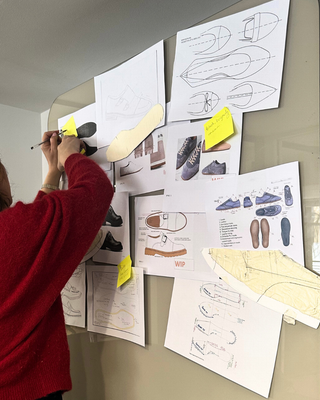
When a direction forms, she creates a moodboard, an initial design and then works with a designer to develop it properly. It starts with classic styles, considered for teenagers and young women, set between London and Paris. Width, insole, fastening, and every detail that matters for extended sizing gets worked through. Her daughter contributes too, creatini Pinterest board of the shoes she actually wants. They review the options together and choose.
From there, our manufacturer produces samples. The shoes arrive, get tried, get considered properly: not just whether they look right but whether they move right, sit right, work for the proportions and the life they were designed for. Comments go back. Adjustments come back. Another sample arrives. The process repeats until there's nothing left to question. For our first style, which took three rounds.
The fit is never assumed. There is a checklist, and every element of the shoe is tested against what a teenage girl or young woman in extended sizing actually needs from it.
What We're Building Toward
Our first design is being finalised. The next milestone is reaching the girls and women who have spent years navigating the same gap we were built to close.
The longer measure of success is simpler than that: whether the shoes get worn as often as her trainers. Comfortable enough, considered enough, that they become a genuine part of how she dresses rather than a compromise she lives with.
If that happens, it means we got it right.
There is no endpoint to this. The plan is to keep following what girls and women in extended sizing want to wear, keep designing for it, and keep building in the open.